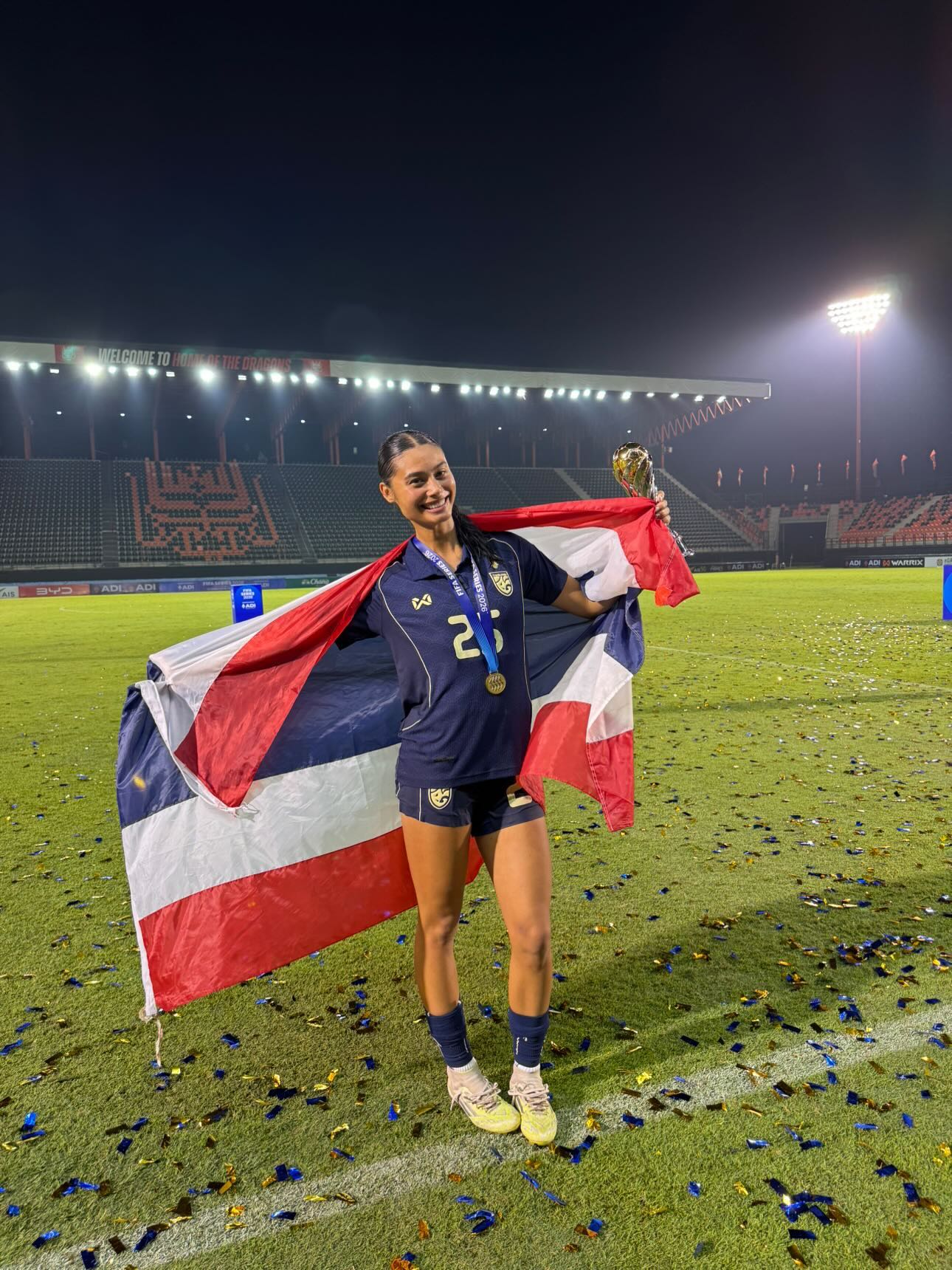
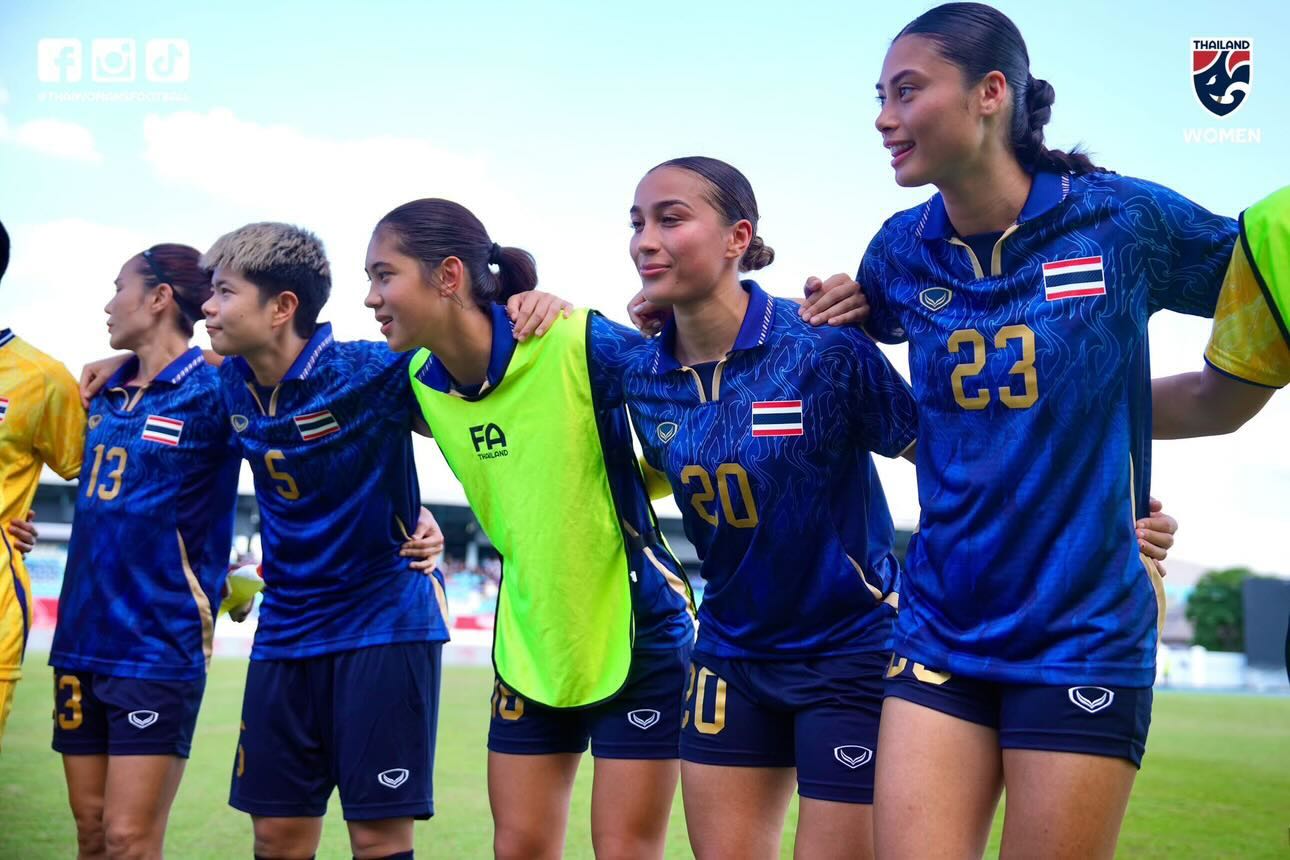
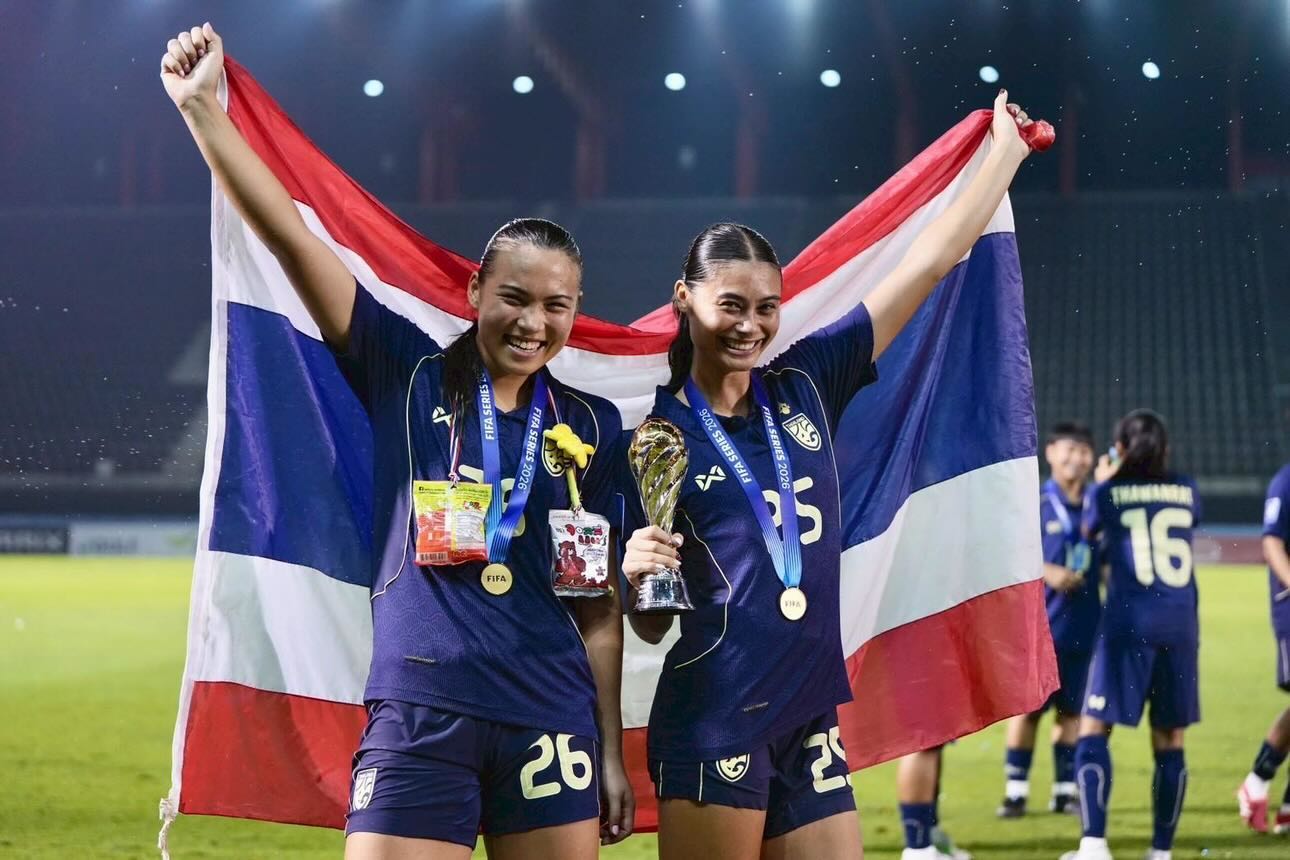
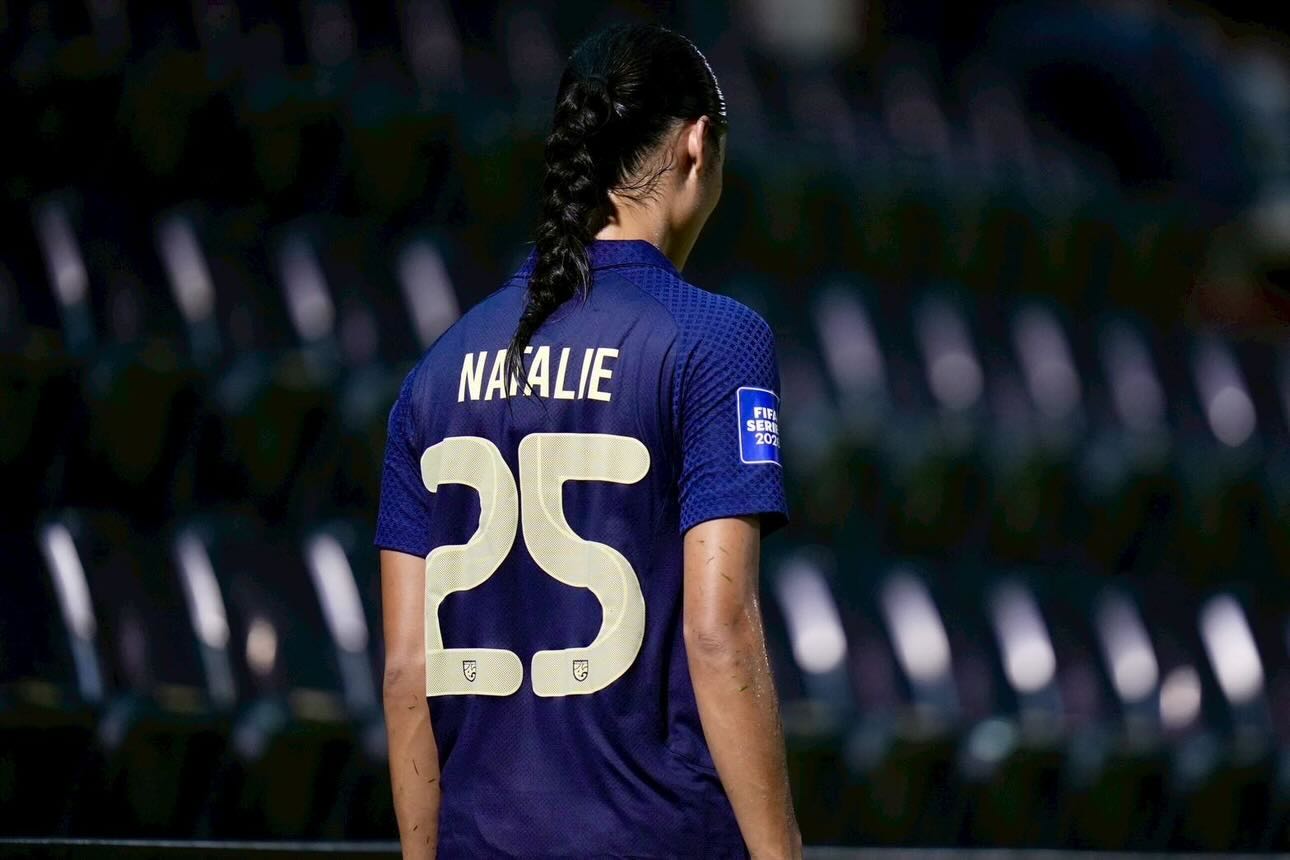
Natalie Olson on Style, Identity and the Future of the Game
Thai football feels like it’s entering a new era right now. From inside the dressing room, what’s something people outside the game still don’t understand about the women’s scene in Thailand?
I’m still relatively new to the women’s football scene in Thailand, but one thing people outside the game may not fully appreciate is how much the standards and ambition have evolved in recent years. It’s no longer just about growing participation; there’s a genuine belief within the dressing room that Thailand can compete with the best teams in Asia. There’s also been a significant focus on improving the physical side of the game, particularly strength and conditioning, which has helped prepare players to compete against opponents from countries that are often perceived as bigger and stronger. Of course, there’s still a long way to go, but what stands out to me is the shift in professionalism, expectations, and accountability within the team environment. If that momentum continues, I think the future of women’s football in Thailand is very exciting.
You’ve got this mix of international football culture, street style, and Adidas athlete energy. If your game had a soundtrack and a visual aesthetic, what would it look and sound like?
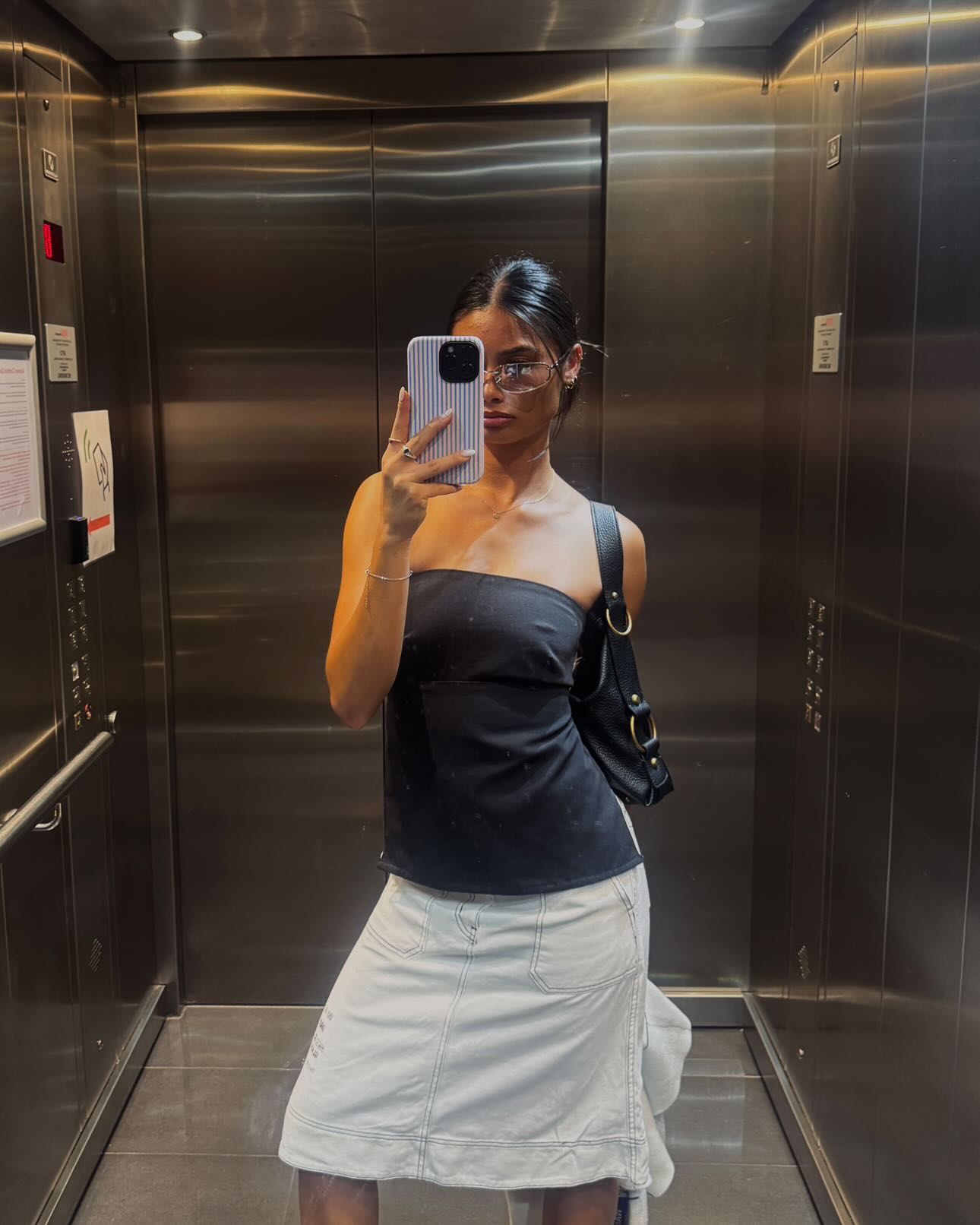
I love being able to express myself through my style both on and off the pitch. I’d like to consider myself as someone who is very creative so I really enjoy having so many different outlets to show my creativity. I want to be described as someone who is effervescent and exciting, both as a player and as a person. If my game had a soundtrack and a visual aesthetic I think it would be a House/Dance/Electronic playlist, with bold colour combinations, patterns, stars and accessories. Cool, high energy, eye-catching!
Footballers always talk about ‘confidence’ but confidence looks different for every player. What’s the version of confidence that unlocks your best football?
Confidence plays a huge role in football, but for me it’s less about feeling unstoppable and more about trusting myself. I play my best football when I’m confident in my abilities, my decision-making, and my ability to take players on 1v1 without hesitation. One thing that gives me a lot of confidence is my speed. When I’m making forward runs into space, I back myself to get on the end of a ball and create opportunities for the team. I also think it’s important to recognise when your confidence is high and when it’s not. That self-awareness helps you adjust your mindset and focus on what you can control in the moment. Before games, I’ll often watch my highlight reel. It’s a simple way to remind myself of what I’m capable of and reinforce the belief that I can make an impact on the pitch.
What’s the most ‘non-football’ thing that actually makes you a better footballer?
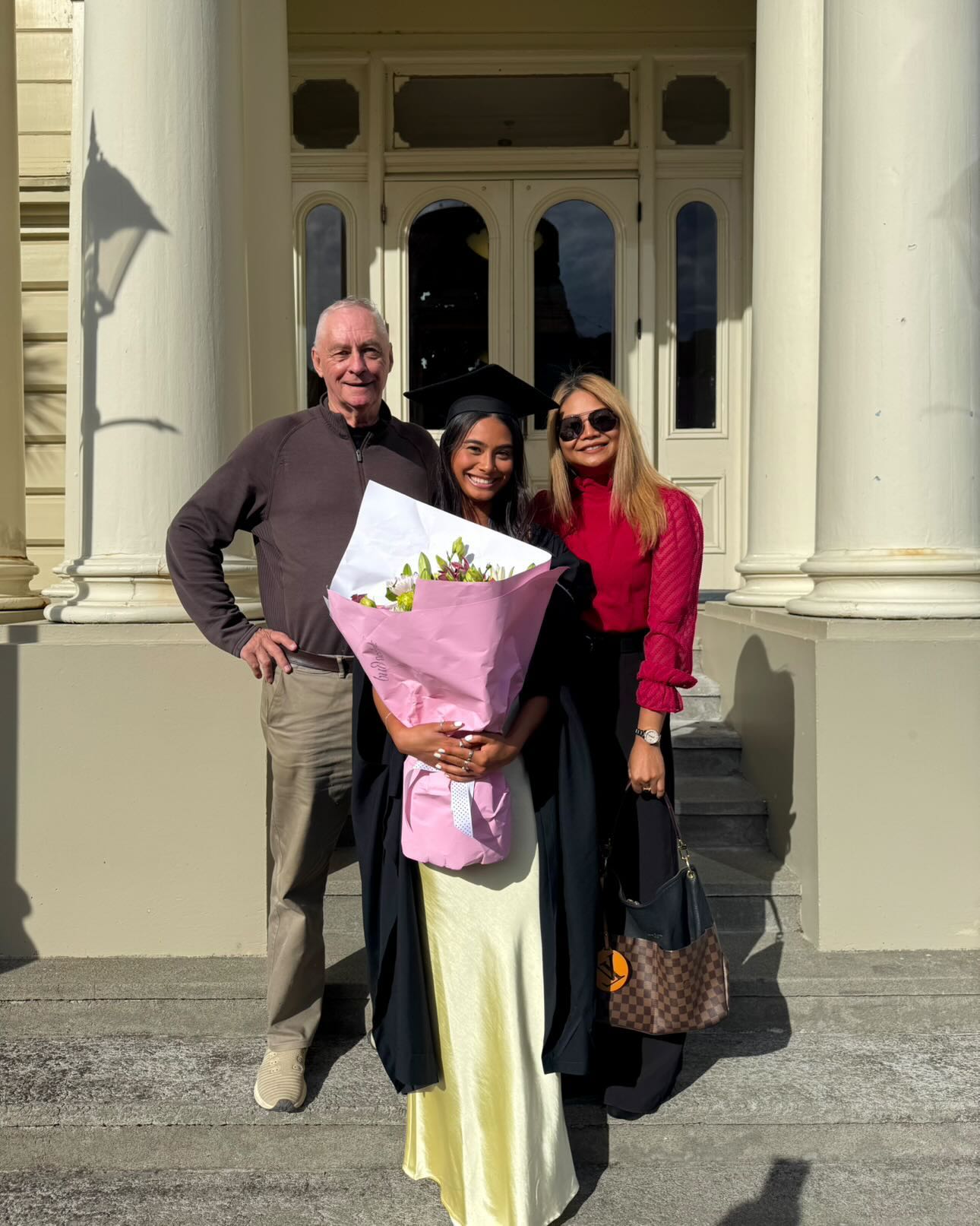
In 2025, I graduated from university with a Bachelor of Laws and a Bachelor of Arts, majoring in Criminology. Studying and working in law has taught me how to analyse situations, think critically, communicate effectively, and stay composed under pressure. Those skills transfer well to football, where you’re constantly making decisions in fast-paced environments, working within a team, and adapting to challenges in real time. My background in law has helped me approach the game with a problem-solving mindset, and I think that’s made me a more well-rounded and intelligent player.
Women’s football is growing fast, but growth doesn’t always mean visibility. What’s a challenge players deal with every day that fans, brands, and even people inside football still don’t see?
A lot of people don’t see the amount of work female footballers do away from the pitch. Many players are balancing full-time careers, study, travel, recovery, rehab, strength training and life commitments around football. One of the biggest challenges is that women’s football is constantly viewed through the lens of men’s football. They are different games with different physical demands, tactical trends and strengths, yet comparisons are made all the time. I’d love to see women’s football judged more on what it is, rather than what it isn’t. It deserves to be appreciated on its own merits. While the game has grown enormously, access to resources still isn’t equal. Opportunities, investment, facilities, sponsorships and brand partnerships are improving, but they’re still far more limited than in the men’s game. What fans often don’t see is the resilience required to pursue elite football whilst building a career, managing financial realities and continuing to perform at a high level despite those challenges.
Football can be a lonely game when things aren’t going your way. During the toughest moments of your career, how important has it been to have the right people around you, and who are the people you’d like to thank for helping you get to where you are today?
The last six months have been the most challenging period of my career. Between a whirlwind of international call-ups and moving countries, there have been times when being away from my support network has been really difficult.
During my first call-up with the Thai National Team, I spoke very little Thai, and for a while I felt quite isolated because I struggled to communicate with the players and staff. It reinforced how important it is to have the right people around you at any level of the game—people who see you for who you are as a person, not just as a player.
I’d like to thank my dad, Warren, and my partner, Harry, for always being in my corner. No matter where I am in the world, they’ve consistently reminded me to back myself and have always been my biggest supporters. I’m also incredibly grateful for the friendships I’ve built through football. So many people have shared advice, encouragement, and perspective from their own experiences, which has helped me navigate the ups and downs of the game.
Finally, I’d like to thank my teammates within the Thai National Team. As I’ve become more involved with the squad, they’ve welcomed me, helped me learn the language, and made me feel part of the group. Their support has helped me grow not only as a player, but also as a teammate and person.
Every football culture has its own vibe. How would you describe the energy of football in Thailand compared to everywhere else you’ve played or experienced?
I love playing in Thailand in front of the fans. You can really feel how much the football culture has evolved. The passion for the game is everywhere, and it feels like fans are not only supporting us but also genuinely appreciating the football being played. As players, we have a responsibility to give them something exciting to watch. I think Thai fans love seeing players express themselves, be brave in the final third, and create moments that get people off their seats. With the current national team squad, I believe we have the ability to play that kind of football and hopefully bring even more people through the gates as the game continues to grow.
One match I will never forget was the SEA Games semi-final against the Philippines. The stands were packed for both teams and the energy was electric! There were drums, chants, flags, everyone dressed in their national colours. Being part of that atmosphere and seeing so many people cheering for you and genuinely wanting you to succeed meant a lot. It’s moments like that that make you want to give even more on the pitch. I really enjoy interacting with the fans. I always try to stay behind after games to say hello when I can, because their support genuinely means so much to me.
What’s one football opinion you have that would probably start arguments in a group chat?
ronaldo > messi haha
Success changes how people see you. What’s something you never want to lose about yourself, no matter how far football takes you?
One thing I have learnt at the higher levels of football is that at times, it is a business. I have experienced first-hand that in football you can put your trust in the wrong people. No matter how far I go, I want people to feel as though they can trust me and trust that I will do right by them. Building positive relationships with everyone – whether it be coaches, clubs, team mates, brands, supporters – is something I hold in high regard, and I would never want to lose that about myself.
Ten years from now, when people talk about Natalie Olson, what do you hope they say changed because you were in the game?
I would like to be remembered as someone who brought excitement and attention to the game both on and off the pitch. If people talk about me in ten years’ time, I’d hope they say I played a small part in helping the women’s game continue to grow. Through my performances on the pitch, but also through social media, fan engagement, and the opportunities that come with being an athlete, I hope I’ve helped more people connect with the women’s game and see the talent, professionalism, and passion that exists within it.
I’d love to look back and see that the game is in a better place than when I started. If young girls have a clearer pathway into football, better opportunities, and feel that the women’s game is more respected and supported, I’d be really proud of that. And if I’ve helped bring a few more fans to the game across Asia, New Zealand, and Australia along the way, that would be pretty awesome too.