Can you introduce yourself and share a little about your background in nutrition and sports science? What first got you interested in this field?
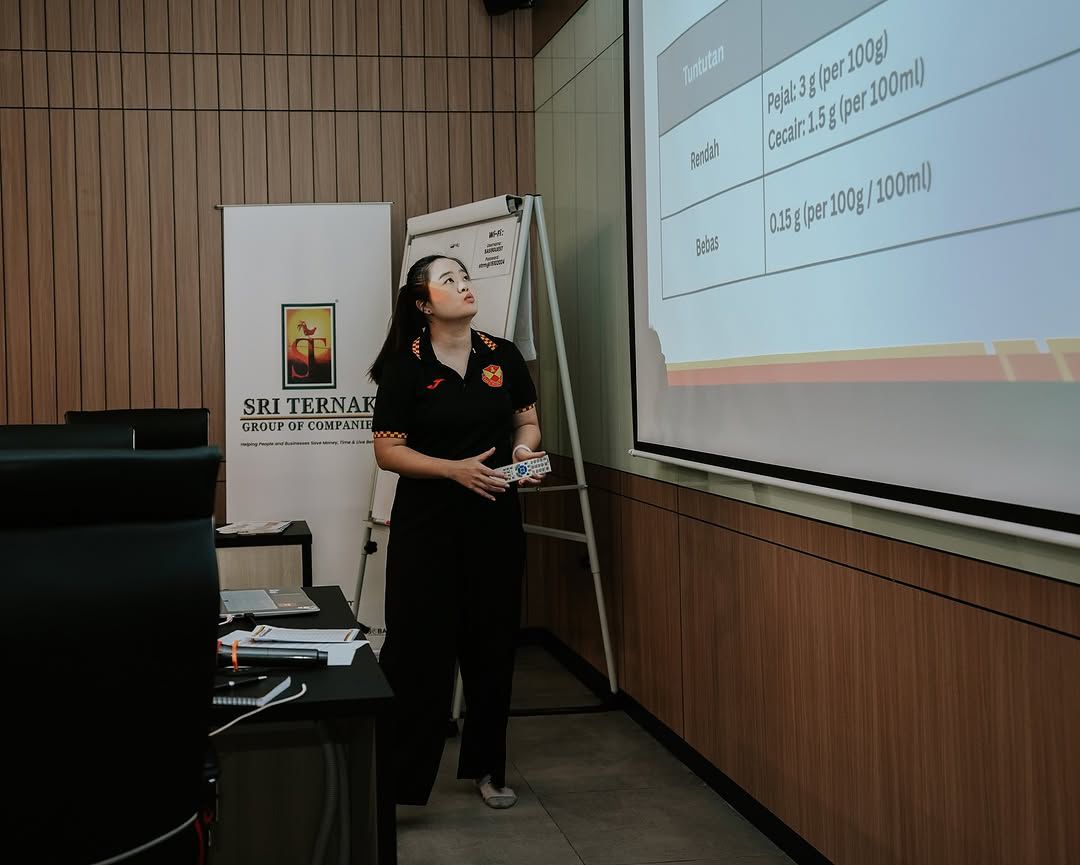
Hi, my name is Wan Qi, and I was born and raised in Johor Bahru before eventually finding my way to working with Selangor FC. I pursued my Bachelor’s Degree in Nutrition and Exercise Science in Waterford, a little city in the southeast of Ireland. Ever since I was young, I’ve always been very passionate about sports, so naturally, I became interested in sports science when I was first introduced to the field. During my studies, I became especially fascinated by the role of nutrition in sports performance and athletes' health. One of my biggest inspirations was my lecturer Aoife, who was also the sports dietitian for Team Ireland. Listening to her experiences and journey working during the Olympics really opened my eyes to the impact that sports nutrition can have at the elite level, and that was what truly sparked my passion for pursuing this field professionally.
How did the opportunity to work with Selangor F.C. Women come about? Was football always the environment you wanted to work in?
My journey with Selangor FC began through a crossover internship between the Sports Nutrition Academy (SNAc) and Selangor FC. At that time, I was an intern under SNAc and was given the opportunity to work with one of the Selangor FC teams competing in the Selangor Champions League in 2022. Although it was only a short two-week attachment, the experience left a strong impression on me, even after I returned to Ireland to complete the final year of my degree.

After graduating and returning to Malaysia, I was still exploring the direction I wanted to take in my career when an opportunity unexpectedly came along. I received a phone call from the consultant of the Sports Nutrition Unit at Selangor FC, informing me about a new vacancy with the Women’s Team and asking whether I would be interested in the role. Knowing it was an opportunity I could not pass up, I proceeded with the interview. Shortly after, I was fortunate to be offered the position as the nutritionist for the Selangor FC Women’s team.

Football was always an environment that interested me because of the fast-paced and demanding nature of the sport. Being able to work closely with athletes in a team setting, while contributing to both performance and recovery through nutrition, was something I found very meaningful and exciting.

What was your first experience like working with a professional women’s football team? Did anything surprise you behind the scenes?
My first experience working with the Selangor FC Women’s team was both exciting and eye-opening, especially since all my previous experience had been with men’s teams across different sports. The level of dedication, commitment, and hard work shown not only by the players, but also by the entire backroom staff, was truly impressive! One thing that really surprised me was the amount of work and preparation that goes into planning for an entire season. There is a lot happening behind the scenes, and the coaches often have to think and plan far in advance to ensure everything runs smoothly throughout the season. From my side, I had to make sure the players were well-prepared and educated on their nutrition and hydration strategies in order to fit around both their training demands and daily routines. As most of our players are either university students or working adults, they often have very busy schedules outside of football as well. But thanks to all the trust and support within the team, we were able to work closely together and manage these challenges hand in hand.
A lot of fans only see what happens on the pitch. What does a sports nutritionist actually do during a normal training week?
Most of my work happens behind the chaos on the pitch, you might occasionally see me on the sidelines, but never actually on the field during the game, which is why many people do not really understand what a sports nutritionist does.

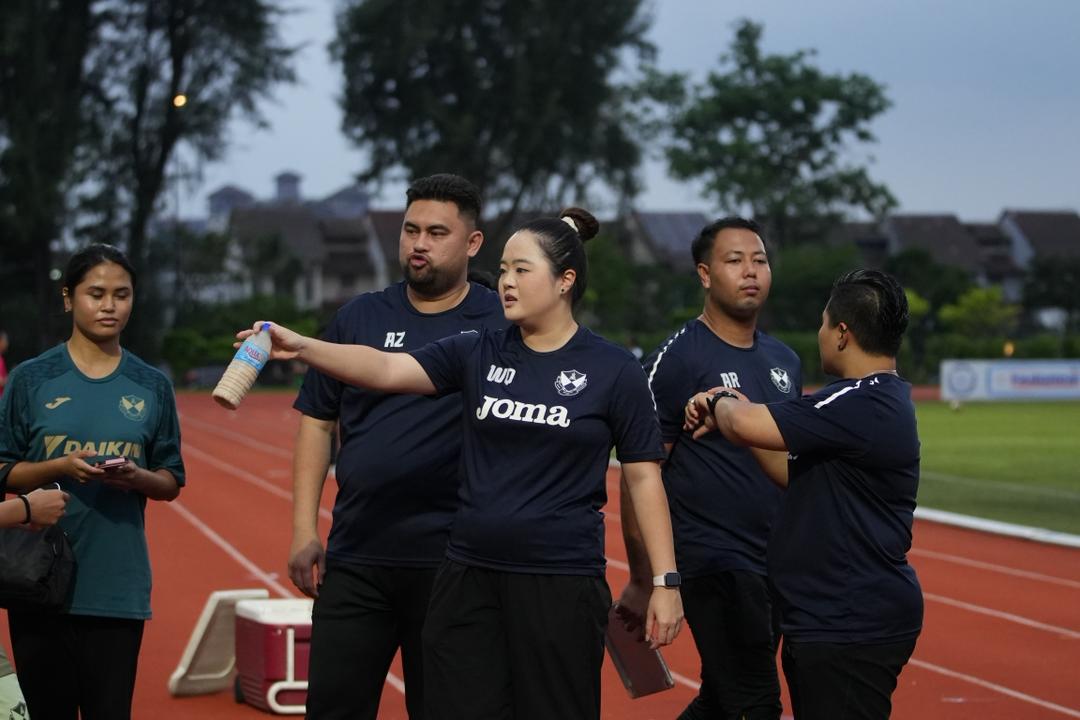
On a normal training day, I usually start by preparing the players’ pre-training snacks and after-training recovery drinks. Many people simply call them protein shakes, but they are actually carefully planned based on the players’ nutritional needs and the demands of training. During training, I am often on the sidelines monitoring hydration and making sure the players are fuelling and rehydrating appropriately to support the training load. Once the session is over, I ensure that the players consume their recovery drinks and follow up with proper post-training nutrition to replenish their energy storage and support recovery.

Beyond that, a large part of my role involves planning ahead, communicating with the coaching staff about the training loads and schedules, and adjusting nutrition strategies accordingly. Every training session has different objectives and demands, so nutrition support needs to be tailored to help the players perform, recover, and stay healthy throughout the season.

How different is nutrition planning for women footballers compared to the general public or even male athletes?
Nutrition planning for women footballers is quite different from the general public, as there are also considerations that need to be taken into account that would differ from the male athletes. The basic principles of nutrition for all populations are the same, but female athletes have different physiological and hormonal factors that could influence their nutritional needs. Compared to the general population, women footballers tend to have higher energy and nutrition demands, as the volume and intensity of training and games need to be taken into consideration. Making sure that they are consuming sufficient energy is very important to support their performance, recovery and overall health. That is why part of my role is to help them to find practical nutrition strategies that would fit into their daily routines while still meeting the demands of the training or games. At the end of the day, our goal is to ensure that they are properly fuelled, recover and will be able to perform at their best throughout the season.

What are the biggest nutrition challenges faced by Malaysian women footballers today? Is it recovery, hydration, busy schedules, food habits, or something else?
Yeah, I would say that busy schedules are inevitable and food habits are difficult to change. These will be the biggest nutrition challenges for the players, as of my experience. Many of our players are balancing football alongside with studies and jobs, so finding the free time to plan and prepare their own food can be quite challenging. On the other hand, as Malaysians, we are lucky enough to have a wide variety of delicious local food, but some of them can be quite high in fat or calories. But it doesn’t necessarily mean that the players need to avoid them completely. What I always encourage them is to have a healthy relationship with food; there is no such thing as ‘good’ or ‘bad’ food. So for example, if a player is craving for nasi lemak, I would rather they enjoy it without guilt and then focus on making balanced choices throughout the rest of the day. Cause nutrition is about consistency, not perfection. So what matters most is that they would be able to make practical and sustainable choices that could support not only their performance but also their overall well-being.

Selangor FC Women has been growing into a more professional setup over the last few years. How have you seen the standards and professionalism evolve within the team?
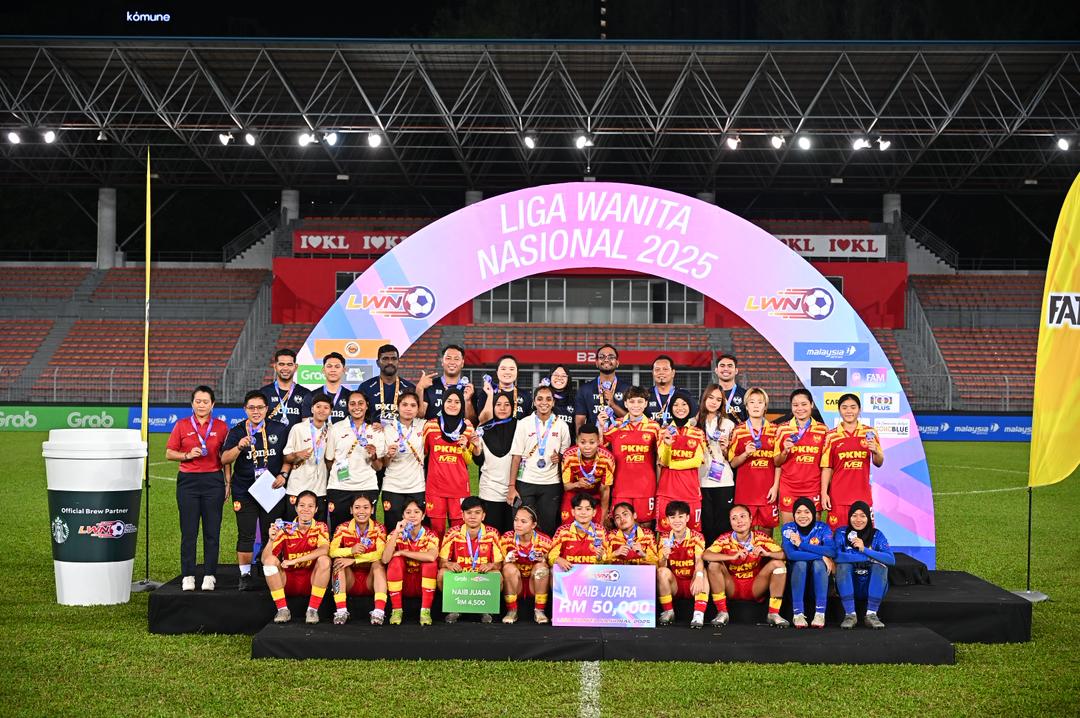
Since joining the Selangor FC Women’s team, I have definitely seen the standards and professionalism continue to improve year by year. One of the biggest changes that I have noticed are the players’ mindset towards performance and the level of professionalism they demonstrated. They had been more eager in seeking information and showed a stronger desire to improve both on and off pitch. This definitely helped to create a more professional culture within the team.

From a nutrition perspective, I have noticed that the players are becoming more aware of the importance of proper fueling, hydration and recovery. When I first joined the team, some of the concepts were considered relatively new to some of the players. But after a while they have become more proactive in terms of seeking advice and slowly making positive changes in their nutritional habits.

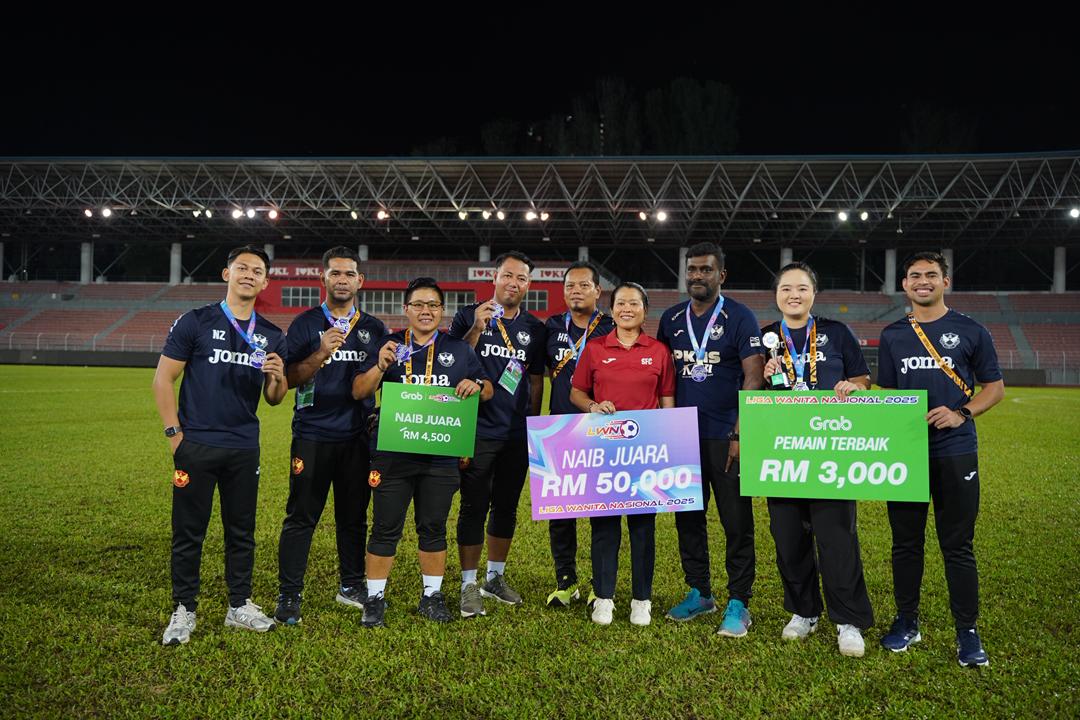
It is still to me, pretty impressive to see each and everyone in the team constantly looking for ways to improve and showing a genuine commitment to do so. As Mikel Arteta famously says “Trust the process”, the development of a professional culture does not happen in just one day, but I believe that our team has made significant progress in doing so, and I am grateful to be part of this journey.
Do players fully buy into nutrition plans immediately, or does it take time to convince them?
Well, most players do not fully buy into the nutrition plan immediately, and that is completely normal. As I mentioned earlier, changing eating habits is not something that happens overnight. As eating habits are often influenced by personal preferences, culture, lifestyle and daily routines, so it will take time for a new habit to develop. It also took me some time to get to know the players personally and understand their individual lifestyles, schedules and challenges. In other words, it is not only about the players learning more about nutrition, but it is also about me learning more about them. Understanding their routines allows me to provide recommendations that are more realistic, practical, and tailored to their individual needs. I believe that building trust is also one of the most important aspects of my job. For me, to expect the players to make drastic changes overnight is unrealistic, so I prefer to work together with them gradually and help them to make small but sustainable changes over time. So once they start to feel the benefits or maybe see the positive changes in their individual InBody or skinfold results, they naturally become more engaged and confident in the process.

What’s one common misconception people have about healthy eating for athletes? Especially in football culture.
One of the most common misconceptions that people have I would say is that people often think that carbohydrates and sugar are bad for them. But in reality, athletes need them more than people could have imagined. As carbohydrates and sugars are the body’s primary source of fuel during training and matches. Without adequate carbohydrate intake, athletes would not be able to perform at their best.

Another common misconception is that healthy eating means eating boiled broccoli and chicken breast every single day. While those foods are healthy, don't get me wrong, but sports nutrition is much more diverse than that. Athletes are allowed to enjoy a wide variety of food and still manage to meet their nutritional needs. For me, healthy eating is not about avoiding certain foods, but is to understand how different food can fit into an athlete’s overall diet and performance goals.

For young girls who dream of playing professional football one day, what advice would you give them about taking care of their bodies and nutrition early?
My advice for them would be to try and focus on building good habits from an early age. Nutrition is not something complicated, you can start by eating your regular meals, make sure you are well hydrated all the time especially during training and games and include a variety of foods in your diet.

Most importantly, make sure that you are getting enough food to support your growth. At the end of the day, we are human before we are footballers. I would also encourage young girls to listen to their bodies and never be afraid to seek guidance when needed. Taking care of your own body is not only about improving your performance, but it is also about supporting your health and well-being in the long run. Most importantly, enjoy the process and remember baby steps matters too. Success in football requires consistent hard work, patience and dedication. The small choices that you make every day, whether it’s getting enough sleep, eating balanced meals or making sure to recover properly every session, might make a significant difference over time.

I would love to end this interview with one of my favourite quotes: “Aim for the moon. Even if you miss, you will land among the stars!”. Believe in yourself, trust the process and never stop chasing your dreams. Girls can move the world!